Envy & Scorn Furnish this Rivalry with Curiously Intimate form of Codependence
Envy & Scorn Furnish this Rivalry with Curiously Intimate form of Codependence
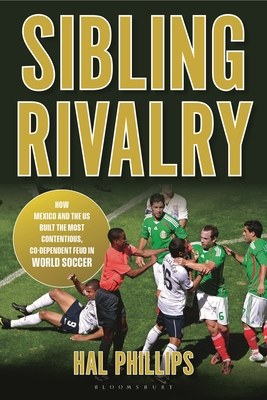
See below a brief excerpt from Chapter 1 of Sibling Rivalry, 400-odd words that help explain what 200 years of envy and scorn can do to a sporting rivalry. But first, a shout-out to photographer Tony Quinn, whose work is featured throughout the book. This image above captures the unalloyed bliss produced by yet another Dos a Cero! in Columbus, Ohio, on Sept. 10, 2013. The U.S. fan base has become so enamored of 2-0 scoreline, many believe Clint Dempsey botched an injury-time penalty to preserve it. As USMNT vet Cobi Jones was moved to Tweet shortly afterward: Dempsey missed on purpose. #dosacero …
Excerpt: The emotional stakes that make a rivalry rarely take hold in the psyches of either party at the same time, with the same levels of intensity, according to the same sentimental logic. Perfectly symmetrical relations are hard to identify, actually. One party always cares a little more than the other, and that’s where US vs. Mexico stood in 1980. Up to that point, and for the next ten years, the Mexican futbol community considered the United States a rival—but only in the way boxers consider the punching bag a rival.
Should the punching bag suddenly strike back? Well, imagine the surprise.
Once we consider the economic, cultural, and military histories that Mexico shares with its northern neighbor, we better appreciate how much Mexicans enjoyed hammering the United States over and over again for sixty years. We can also understand why, during the 1990s, when the Americans really did start to compete as soccer equals, Mexicans weren’t so sure they wanted this rivalry anymore. Come the debacle of World Cup 2002, such ambivalence gave way to the six stages of Mexican grief: denial, anger, tequila, bargaining, depression, and acceptance.
Not only did El Tri and its massive fan base accept and recover, the communal trauma of 2002 galvanized the nation in a new way. Twenty-four years later, on the cusp of a World Cup they will host together, Mexico and the United States have developed a serial competition unlike any on Earth, in any sport.
On the pitch and off, national team wins and losses continue to come at extraordinary cost—a strange, psychic brew animated by blood, sweat, and tears, by honor and ridicule, by envy and scorn. In every other way, however, the two countries have built and come to share a North American futbol culture where their respective leagues, federations, clubs, fans, and broadcasters grow ever more intertwined. Some might describe these delicate relationships as codependent.
Because long-term rivalry is nothing if not an intimate form of interdependence.
Upon closer examination, it’s clear the Mexican National Team and its transnational fan culture remain torn between these fascinating realities and the unyielding, persistent idea that their primary soccer relationship is somehow beneath them.
Which does nothing but up the ante each and every time the two nations take the same field.”

