FIFA Introduces New ‘Dynamism’ to World Cup Ticketing Grift
FIFA Introduces New ‘Dynamism’ to World Cup Ticketing Grift
The bleak, hyper-lux reality of World Cup ticket pricing is beginning to sink into the global futbol consciousness, and with FIFA itself. How do we know the latter? Because FIFA president Gianni Infantino sounds in increasingly defensive, claiming that without extortionate 2026 tournament revenues, “There would be no football in 150 countries in the world. There is football because, and thanks to, these revenues we generate with, and from, the World Cup, which we reinvest all over the world,” he told the World Sports Summit in Dubai the last week in December.
For the U.S. audience, this recalls big-time college sports apologists who claim that without D1 football and men’s basketball programs earning gobs of TV money, things like varsity field hockey or tennis programs would go away. Forgetting that they somehow managed to exist without said revenue streams since the 1950s.
While one struggles to imagine how these 150 footballing nations have managed to operate up to now (!), there does remains a ray of hope for U.S.-based fans, even as 2026 prices, which dwarf those of previous tournaments, give pause to potential World Cup attendees everywhere.
The New York Times reported this week that FIFA’s average price for opening matches featuring hosts Mexico, Canada and the United States (across value Categories 1, 2 and 3) was $1,728: “Prices vary for the other 39 teams. For example, the average price across Category 1-3 prices released by FIFA earlier this month for games involving Germany in the group stage was $422. Category 3 tickets for the semi-finals exceed $900, with the most expensive seats costing $3,295. Tickets for the final on July 19 at MetLife Stadium have been on sale for as much as $8,680 since the draw at the start of this month, nearly $2,000 more than the original price in October.”
The “random selection draw” ticketing phase that opened on Dec. 11 will conclude Jan. 13. Fans have been applying for tickets in specific categories to specific matches for the above prices. FIFA will then randomly select an unknown number of applicants, before charging them the listed price before they are given their requested tickets at some point on or after Feb. 5.
In Mexico, which will host 13 games including the tournament opener, the sticker shock has proved surreal and a pretty good comp for supporters visiting from South America and Africa. Tickets for the opening match between Mexico and South Africa at Estadio Azteca on 11 June will run between $1,290 and $1,825 for a regular seat — with no guarantee that laying that money down will even secure a ticket, according to The Guardian. Hospitality suite options are available, with prices beginning at $10,000 a pop.
FIFA Ticketing Grift South of the Border
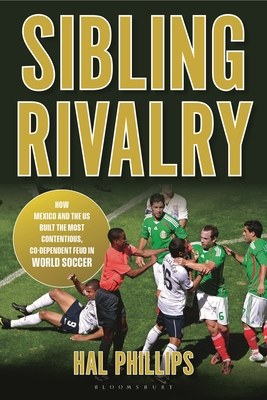
Let’s be clear: As I underline in the pages of Sibling Rivalry, Mexico is not a third-world nation. It boasts the largest economy in the entirety of the Spanish-speaking world. But FIFA’s dynamic pricing scheme, where ticket costs goes up or down according to demand, has left fans appalled.
Prior to the Azteca’s renovation last year, a Liga MX match at the stadium went for between $15 and $50. A luxury box seat at the 2024 Clausura final between América and Cruz Azul could be had for $2,000. This summer, Mundial tickets will, put simply, price millions out of El Tri fans out of attendance.
That’s not good. Yet consider those visiting North America from, say, Curacao, Ivory Coast or Ecuador, where wages and standards of living are far lower than in Mexico. Between air fare, hotels and meals, a group-stage trip will prove extraordinarily expensive — whether it’s based in Mexico, Canada or the U.S.
As the tournament progresses, however, there’s every chance this situation will soften — to the benefit of soccer fans living in all three hosts countries, particularly the U.S., where 78 of the 104 World Cup games will be played.
As is typical, 8 percent of tickets for any group-state game are set aside for each participating team fan base. Those tickets are super expensive but folks from, say Portugal and Columbia will pay what they need to pay to visit the U.S. (dodging quota-filling ICE agents all the while, mind you) and watch their team three times during group play. Some from Curacao, Ivory Coast or Ecuador may also bite this bullet. Some may not, but those who opt out will reduce demand and prices will come down closer to the tournament start in June.
Again, as per usual, FIFA will also offer those same supporting groups, those 8 percenters, the chance to attend knockout games at 5-10 times that group-stage pricing. Some folks will pay that, but it says here they largely will not. The U.S. is expensive for visiting tourists in the best of times, but after 10-14 days of inflated hotel prices and massive travel costs (airline travel between venues, all too often in such a big country), the country-specific fan groups will not opt for these knockout add-on packages.
Will fans show up, and how long will they stay
Forget Columbians and Portuguese fans, who may well advance. Think of Group E, with Curacao, Ivory Coast and Ecuador battling for a chance to finish second behind Germany. Folks from these three nations will have an even tougher time paying for 10-14 days in America — then staying another week for the mere prospect of a knock-out match.
For those who do opt in ahead of the tournament, only to watch their boys fail to advance from the group stages, FIFA, full of grace, will buy those tickets back for USD 50 fee. Post group stage, there will be a mass of these tickets available for knockout matches, leaving a glut of tickets available mainly to… U.S. residents who are in-country and have the ready cash to buy on short notice.
As an American soccer freak, I welcome this opportunity — but Europeans especially are already bemoaning a) this blatant FIFA price gauge; and b) what they suggest will be an absence of partisan atmospherics during the knockout stages.
This very public blowback is one reason FIFA is keen to discuss all the money it claims to have ear-marked for reinvestment — in those 150 nations where futbol would otherwise cease to exist (!). But there’s another reason: Starting in 2018, FIFA adopted the so-called “UEFA model” for its World Cups, whereby it has centralized many tournament aspects that used to be handled by local organizing committees, cities and venues. Cities now pay for security at World Cup events, for example, and in-stadium advertising is sold (and not shared) by FIFA.
When the rich get richer, claims of philanthropy inevitable follow. Just you watch: In four years, when soccer in all those countries hasn’t been snuffed out, Infantino will take the credit.

